198+ 4 Types Of Forgiveness
Forgiveness is a powerful and often misunderstood concept that can transform relationships and heal emotional wounds. In a world where grudges and resentment can weigh heavily on our hearts, understanding the different types of forgiveness can provide clarity and guidance on our personal journeys. In this blog post, we will explore the four distinct types of forgiveness: decisional, emotional, interpersonal, and self-forgiveness. Each type plays a unique role in our ability to move forward, offering insights into how we can release negativity and embrace a more peaceful existence. Join us as we delve into the nuances of forgiveness and discover how it can lead to profound personal growth and deeper connections with others.
4 Types Of Forgiveness For Christian Young People
In the journey of faith, understanding the different types of forgiveness can profoundly impact Christian young people's lives. The first type is **Divine Forgiveness**, where God offers unconditional love and grace, allowing believers to start anew regardless of past mistakes. Next is **Self-Forgiveness**, a crucial step in healing, where individuals learn to let go of guilt and embrace their worth as children of God. The third type, **Interpersonal Forgiveness**, involves mending relationships by extending grace to others who have wronged us, reflecting Christ's love in our interactions. Lastly, there's **Communal Forgiveness**, which emphasizes the importance of collective healing within a community, encouraging young people to support one another in their struggles and foster an environment of grace and understanding. Each type plays a vital role in nurturing a spirit of reconciliation and peace in the lives of Christian youth.
 www.scribd.com
 4 Types Of Forgiveness And When To Apply Each
Forgiveness is a multifaceted concept that can take various forms, each serving a unique purpose in our emotional and interpersonal lives. The first type is **decisional forgiveness**, which involves a conscious choice to let go of resentment, often used when you want to move forward but still feel the sting of betrayal. Next is **emotional forgiveness**, where you actively work to change your feelings about the offense, suitable for deeper emotional wounds that require healing. Third, we have **conditional forgiveness**, which is applied when the offender meets certain criteria or makes amends, often seen in relationships where trust needs to be rebuilt. Lastly, **unconditional forgiveness** is the most profound form, granted without any prerequisites, typically reserved for situations where letting go is essential for personal peace, regardless of the offender's actions. Understanding when to apply each type can significantly enhance our emotional well-being and relationships.
 www.happierhuman.com
 Bot Verification
In the digital age, bot verification has become an essential tool for ensuring the integrity of online interactions, especially in discussions surrounding sensitive topics like forgiveness. As we explore the 198+ types of forgiveness in our blog post, it's crucial to acknowledge the role of technology in facilitating genuine conversations. Bot verification helps distinguish between authentic human engagement and automated responses, allowing for a more meaningful exchange of ideas. By implementing these measures, we can foster a safe environment where individuals feel encouraged to share their personal experiences and insights on forgiveness, ultimately enriching our understanding of this complex emotional landscape.
 awakeningfromcore.com
 4 Types Of Forgiveness And When To Apply Each
Forgiveness is a multifaceted concept that can take various forms, each serving a unique purpose in our emotional and interpersonal lives. The first type is **decisional forgiveness**, which involves a conscious choice to let go of resentment, often used when you want to move forward but still feel the sting of betrayal. Next is **emotional forgiveness**, where you actively work to change your feelings about the offense, suitable for deeper emotional wounds that require healing. Third, we have **conditional forgiveness**, which is applied when the offender meets certain criteria or makes amends, often seen in relationships where trust needs to be rebuilt. Lastly, **unconditional forgiveness** is the most profound form, granted without any prerequisites, typically reserved for situations where letting go is essential for personal peace, regardless of the offender's actions. Understanding when to apply each type can significantly enhance our emotional well-being and relationships.
 www.happierhuman.com
 4 Types Of Forgiveness And When To Apply Each
Forgiveness is a multifaceted concept that can take various forms, each serving a unique purpose in our emotional and interpersonal lives. The first type is **decisional forgiveness**, which involves a conscious choice to let go of resentment, often used when you want to move forward but still feel the sting of betrayal. Next is **emotional forgiveness**, where you actively work to change your feelings about the offense, suitable for deeper emotional wounds that require healing. Third, we have **conditional forgiveness**, which is applied when the offender meets certain criteria or makes amends, often seen in relationships where trust needs to be rebuilt. Lastly, **unconditional forgiveness** is the most profound form, granted without any prerequisites, typically reserved for situations where letting go is essential for personal peace, regardless of the offender's actions. Understanding when to apply each type can significantly enhance our emotional well-being and relationships.
 www.happierhuman.com
 Forgiveness Chart
In the journey of understanding forgiveness, a Forgiveness Chart can serve as a valuable tool to navigate the complex emotions and processes involved. This chart typically outlines the four main types of forgiveness: decisional, emotional, conditional, and unconditional. Decisional forgiveness involves a conscious choice to let go of resentment, while emotional forgiveness focuses on healing the emotional wounds associated with the hurt. Conditional forgiveness is granted based on specific terms or actions, whereas unconditional forgiveness is offered freely, regardless of circumstances. By visualizing these categories, individuals can gain clarity on their personal experiences and the unique paths they may take toward healing and reconciliation. Incorporating a Forgiveness Chart into your exploration of these four types can enhance your understanding and facilitate deeper emotional growth.
 www.holyfiredisciples.com
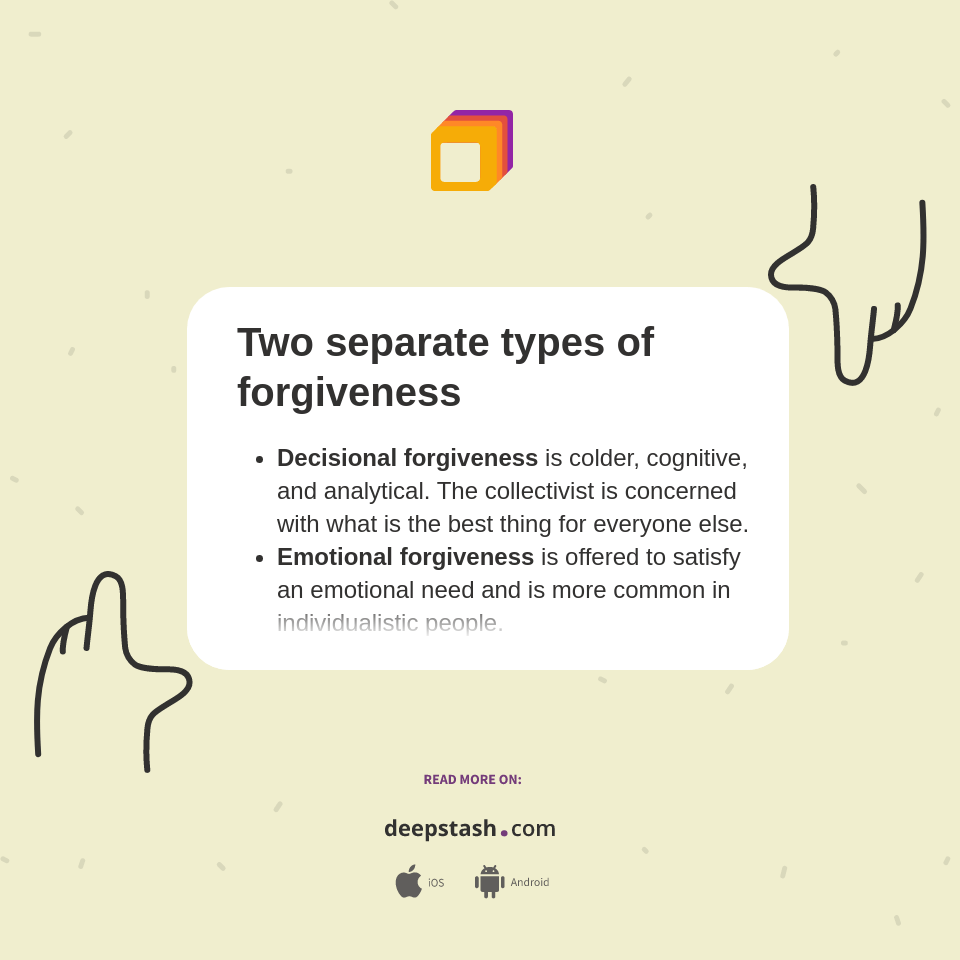
 Two Separate Types Of Forgiveness
Forgiveness is a complex emotional process that can be categorized into two distinct types: interpersonal forgiveness and intrapersonal forgiveness. Interpersonal forgiveness involves the act of forgiving someone else for a wrong they have committed against you. This type of forgiveness often requires open communication and a willingness to rebuild trust, as it directly impacts relationships. On the other hand, intrapersonal forgiveness is about letting go of resentment and anger within oneself, regardless of whether the offender has acknowledged their wrongdoing. This internal process can lead to personal healing and emotional liberation, allowing individuals to move forward without being burdened by past grievances. Understanding these two types of forgiveness can help individuals navigate their emotional landscapes and foster healthier relationships with themselves and others.
 deepstash.com
 4 Types Of Forgiveness And When To Apply Each
Forgiveness is a multifaceted concept that can take various forms, each serving a unique purpose in our emotional and interpersonal lives. The first type is **decisional forgiveness**, which involves a conscious choice to let go of resentment, often used when you want to move forward but still feel the sting of betrayal. Next is **emotional forgiveness**, where you actively work to change your feelings about the offense, suitable for deeper emotional wounds that require healing. Third, we have **conditional forgiveness**, which is applied when the offender meets certain criteria or makes amends, often seen in relationships where trust needs to be rebuilt. Lastly, **unconditional forgiveness** is the most profound form, granted without any prerequisites, typically reserved for situations where letting go is essential for personal peace, regardless of the offender's actions. Understanding when to apply each type can significantly enhance our emotional well-being and relationships.
 www.happierhuman.com
 Forgiveness
Forgiveness is a powerful and transformative process that can lead to healing and personal growth. It involves letting go of resentment and the desire for retribution, allowing individuals to move forward from past hurts. In the context of the blog post "198+ 4 Types Of Forgiveness," it's essential to explore the different dimensions of forgiveness, including self-forgiveness, interpersonal forgiveness, collective forgiveness, and divine forgiveness. Each type plays a unique role in how we navigate our relationships and emotional well-being. By understanding these categories, we can better appreciate the nuances of forgiveness and its impact on our lives, ultimately fostering a sense of peace and resilience.
 iblp.org
 The Three Types Of Forgiveness
You Might Also Like: 130 Vector Compass Icon Set Of North
Forgiveness is a complex and multifaceted concept that can be categorized into three primary types: personal, interpersonal, and societal forgiveness. Personal forgiveness refers to the internal process of letting go of resentment and anger towards oneself or others, allowing for emotional healing and growth. Interpersonal forgiveness involves the reconciliation process between individuals, where one party seeks to mend the relationship after an offense, fostering understanding and empathy. Lastly, societal forgiveness addresses larger-scale grievances, such as those found in communities or nations, aiming for healing and peace after collective trauma. Each type plays a crucial role in our emotional well-being and the restoration of relationships, highlighting the importance of forgiveness in our lives.
 www.blogos.org
Post a Comment